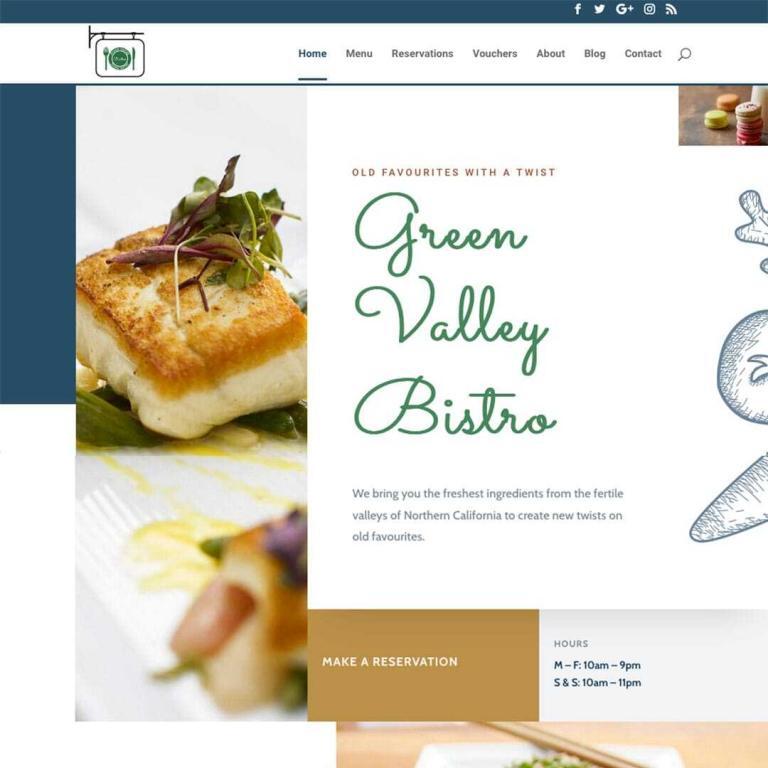
When you first launch a well-designed website, it should have a clear flow and user journey—complete with strategic calls to action that guide potential clients through the information they need to make a purchase or hire your services. However, what happens after launch often determines whether your site continues to convert visitors into customers.
In my experience, business owners fall into three categories once their website goes live (whether created DIY or by a professional):
Type 1: Set It and Forget It They launch and never touch it again.
Type 2: Well-Intentioned but Unguided Updates They assign staff members (often rotating through different people) to keep the website current. Unfortunately, these team members typically lack training in web design, marketing strategy, or understanding of the original user journey. Their changes, while well-intentioned, gradually interrupt the site’s flow. Over time, the website becomes disorganized and loses its ability to convert visitors into customers.
Type 3: Strategic Maintenance They understand the importance of preserving the site’s structure and flow. These owners work with or consult their web designer before making changes, ensuring updates enhance rather than disrupt the original strategic intent.
As I work with website copywriters, I increasingly see how the substantial investment business owners make in creating their websites gets wasted when they fall into categories 1 or 2 above.
When a website fails to convert visitors into customers, business owners typically look elsewhere for solutions—investing in SEO, new images, or other tactics. However, the real culprit is often something they don’t even realize: their site has lost its original flow and become disorganized over time.
So how can you identify whether this could be the problem with your underperforming site?
Download my Website Flow Assessment Checklist